

Aftercare Instruction
Aftercare
Instruction
Keeping Smiles Clean With Invisalign
Good oral hygiene is essential for a healthy, confident smile especially during orthodontic treatment. At Peppermint Dental Associates, we often recommend Invisalign for teens because it makes maintaining clean teeth much easier than traditional braces.
With braces, brushing and flossing take extra time and care to clean around brackets and wires, increasing the risk of plaque buildup. Invisalign aligners, on the other hand, can be easily removed for normal brushing and flossing routines. We may suggest a special cleaning solution, but otherwise, the process is simple just brush the aligners gently with cool or lukewarm water and a soft toothbrush before putting them back in place (do not use toothpaste).
Keeping Smiles Clean With Invisalign
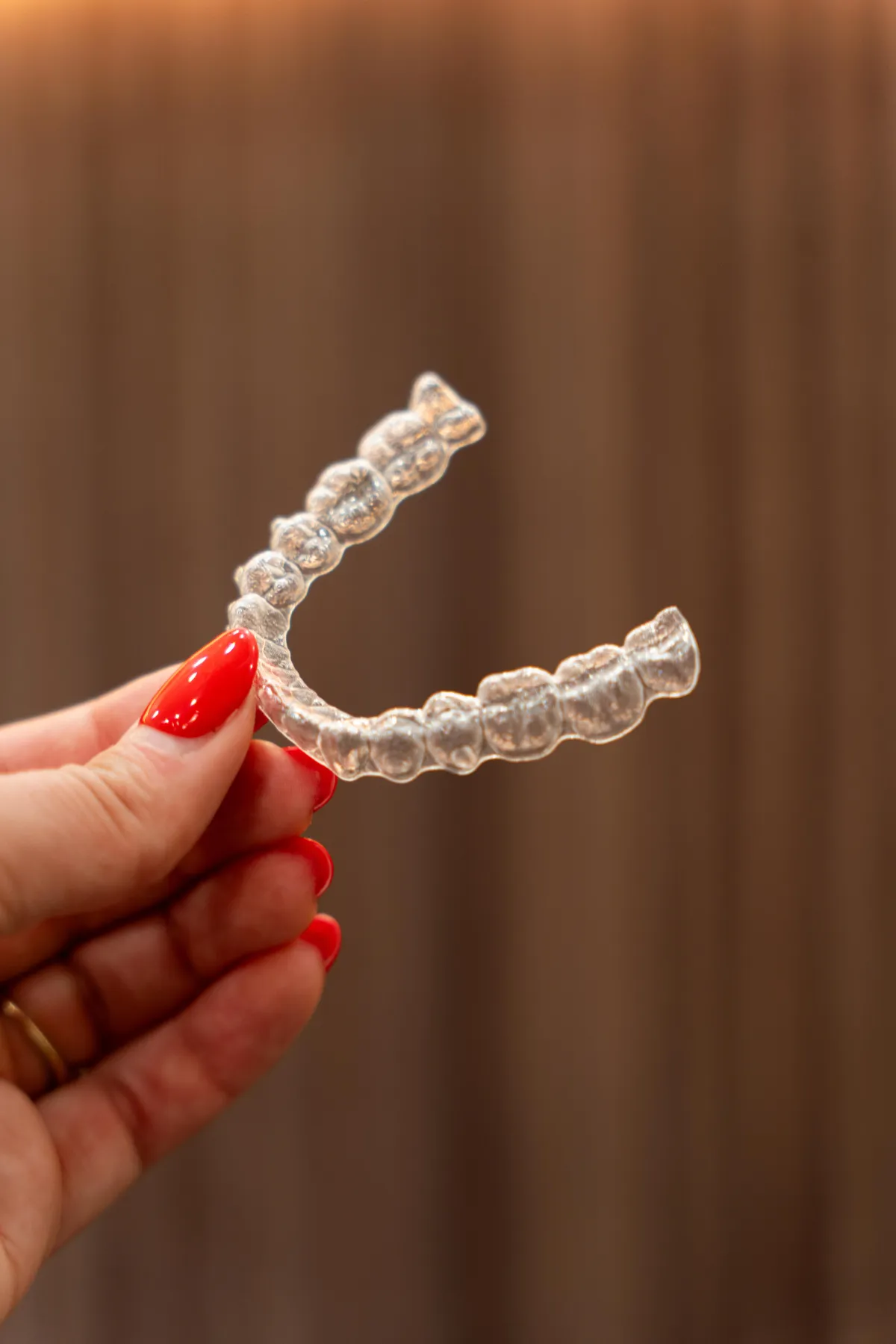
Good oral hygiene is essential for a healthy, confident smile — especially during orthodontic treatment. At Peppermint Dental Associates, we often recommend Invisalign for teens because it makes maintaining clean teeth much easier than traditional braces.
With braces, brushing and flossing take extra time and care to clean around brackets and wires, increasing the risk of plaque buildup. Invisalign aligners, on the other hand, can be easily removed for normal brushing and flossing routines. We may suggest a special cleaning solution, but otherwise, the process is simple — just brush the aligners gently with cool or lukewarm water and a soft toothbrush before putting them back in place (do not use toothpaste).

Post Treatment Care
It is normal for your teeth to feel slightly loose or sensitive immediately after finishing treatment as they settle into their final positions. If you experience any severe discomfort or shifting, please contact our office. To ensure your smile stays straight, retention is critical. Without a retainer, teeth have a natural tendency to shift back toward their original positions. We will provide a custom retainer to maintain your results. We can help you determine the specific wear schedule that is right for you. Of course, one of the best ways to preserve your new, straighter smile is to keep up with regularly scheduled professional cleanings!
To protect your new retainers and your smile, you should avoid exposing the plastic to excessive heat or abrasive chemicals, as this can warp or damage the fit. Please keep the following in mind regarding your retainers:
Avoid hot water (it warps the plastic)
Keep them away from pets (dogs love to chew them)
Do not wrap them in napkins during meals (they often get thrown away by accident)
Avoid drinking hot beverages while wearing them
Clean them daily to prevent odor and bacteria buildup
Always store them in their protective case when they are not in your mouth
Post Treatment
Care
It is normal for your teeth to feel slightly loose or sensitive immediately after finishing treatment as they settle into their final positions. If you experience any severe discomfort or shifting, please contact our office. To ensure your smile stays straight, retention is critical. Without a retainer, teeth have a natural tendency to shift back toward their original positions. We will provide a custom retainer to maintain your results. We can help you determine the specific wear schedule that is right for you. Of course, one of the best ways to preserve your new, straighter smile is to keep up with regularly scheduled professional cleanings!
To protect your new retainers and your smile, you should avoid exposing the plastic to excessive heat or abrasive chemicals, as this can warp or damage the fit. Please keep the following in mind regarding your retainers:
Avoid hot water (it warps the plastic)
Keep them away from pets (dogs love to chew them)
Do not wrap them in napkins during meals (they often get thrown away by accident)
Avoid drinking hot beverages while wearing them
Clean them daily to prevent odor and bacteria buildup
Always store them in their protective case when they are not in your mouth
Composite (White) Fillings
Your new fillings will be fully hardened before you even leave the office; however, you may experience numbness in your lips, teeth, and tongue for several hours due to the anesthetic. As part of your dental aftercare treatment, try to avoid chewing until the numbness has completely worn off, or chew on the opposite side of the newly placed filling(s), as it's easy to bite (or burn) your tongue or lip accidentally. You may also experience sensitivity to pressure and/or hot and cold food or beverage this may linger for a few weeks but will fade over time. If you feel soreness, tenderness, or discomfort at the anesthetic injection sites, you may take an over-the-counter pain reliever like aspirin, ibuprofen (e.g., Advil), or acetaminophen (e.g., Tylenol)*.
It's very common to have an incorrect bite following a filling placement when using an anesthetic, as the numbness may prevent you from feeling whether or not your bite is even. If your bite feels uneven after the numbness subsides, please call our office, and we'll get you in as soon as possible to correct it. Please call if you have any questions or concerns!
Please call if you have any questions or concerns!
* Do not take these medications if you have a medical condition that prevents you from doing so or are allergic.

Composite (White) Fillings
Your new fillings will be fully hardened before you even leave the office; however, you may experience numbness in your lips, teeth, and tongue for several hours due to the anesthetic. As part of your dental aftercare treatment, try to avoid chewing until the numbness has completely worn off, or chew on the opposite side of the newly placed filling(s), as it's easy to bite (or burn) your tongue or lip accidentally. You may also experience sensitivity to pressure and/or hot and cold food or beverage—this may linger for a few weeks but will fade over time. If you feel soreness, tenderness, or discomfort at the anesthetic injection sites, you may take an over-the-counter pain reliever like aspirin, ibuprofen (e.g., Advil), or acetaminophen (e.g., Tylenol)*.
It's very common to have an incorrect bite following a filling placement when using an anesthetic, as the numbness may prevent you from feeling whether or not your bite is even. If your bite feels uneven after the numbness subsides, please call our office, and we'll get you in as soon as possible to correct it. Please call if you have any questions or concerns!
Please call if you have any questions or concerns!
* Do not take these medications if you have a medical condition that prevents you from doing so or are allergic.
Root Canal
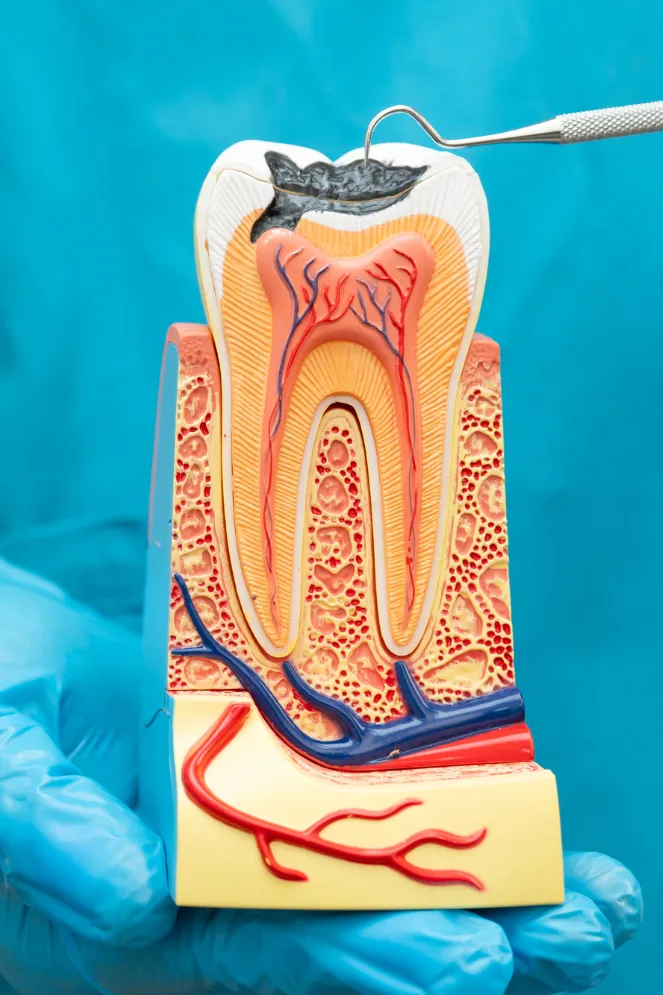
Your root canal may take two or more appointments to complete. When an anesthetic is used, your lips, teeth, and tongue may be numb for several hours after each appointment. Try to avoid chewing until the numbness has completely worn off or chew on the opposite side of your restored tooth as it's easy to bite (or burn) your tongue or lip accidentally.
We'll place a temporary filling or crown on the treated tooth to protect it until the final restoration has been placed. Between appointments, it is common for a small portion of your temporary filling or crown to wear away or break off, which is perfectly fine. However, if the entire filling or temporary crown comes off, please call our office immediately so we can protect your tooth.
To help keep your temporary filling or crown in place, try to avoid:
Sticky foods (especially gum or caramel)
Biting hard foods/substances (e.g., ice, fingernails, and pencils)
Though you may not have experienced discomfort before treatment, it's normal to experience it after restoration. This includes soreness when chewing, experiencing a dull ache near the restoration site, and mild irritation and/or gum tenderness all of which typically subside within 7-10 days. To control discomfort, take pain medication as recommended by your dentist. If antibiotics are prescribed, continue to take them for the indicated length of time, even if all symptoms and signs of infection are gone.
Root Canal
Your root canal may take two or more appointments to complete. When an anesthetic is used, your lips, teeth, and tongue may be numb for several hours after each appointment. Try to avoid chewing until the numbness has completely worn off or chew on the opposite side of your restored tooth as it's easy to bite (or burn) your tongue or lip accidentally.
We'll place a temporary filling or crown on the treated tooth to protect it until the final restoration has been placed. Between appointments, it is common for a small portion of your temporary filling or crown to wear away or break off, which is perfectly fine. However, if the entire filling or temporary crown comes off, please call our office immediately so we can protect your tooth.
To help keep your temporary filling or crown in place, try to avoid:
Sticky foods (especially gum or caramel)
Biting hard foods/substances (e.g., ice, fingernails, and pencils)
Though you may not have experienced discomfort before treatment, it's normal to experience it after restoration. This includes soreness when chewing, experiencing a dull ache near the restoration site, and mild irritation and/or gum tenderness—all of which typically subside within 7-10 days. To control discomfort, take pain medication as recommended by your dentist. If antibiotics are prescribed, continue to take them for the indicated length of time, even if all symptoms and signs of infection are gone.
Tooth Extractions
We often use an anesthetic during tooth extractions, so your lips, teeth, and tongue may be numb for several hours following surgery. We recommend a liquid diet for the first 24 hours to prevent food from coming into contact with the extraction site and to remain hydrated during healing. Just be sure not to use a straw!
To help decrease inflammation, place cold towels or an ice bag on your face for the first 6-8 hours after treatment for 15 minutes at a time. Repeat this process if you continue to experience swelling or stiffness over the next few days. Do not touch the extraction site with your fingers or tongue, and wait until the morning following surgery to rinse your mouth this will help you prevent infection and keep from dislodging the blood clot necessary for proper healing.
The morning after surgery, rinse with warm salt water (use 1/2 teaspoon salt) and repeat several times daily to promote faster healing. Your saliva may be slightly tinged with blood for a few days, but if bleeding persists, place moist gauze over the extraction site and bite down for 30-45 minutes.
Take pain medication as recommended by your dentist to control discomfort. If antibiotics are prescribed, continue to take them for the indicated length of time, even if all symptoms and signs of infection are gone. Please call us if you experience persistent pain or bleeding or have any questions or concerns.

Tooth Extractions
We often use an anesthetic during tooth extractions, so your lips, teeth, and tongue may be numb for several hours following surgery. We recommend a liquid diet for the first 24 hours to prevent food from coming into contact with the extraction site and to remain hydrated during healing. Just be sure not to use a straw!
To help decrease inflammation, place cold towels or an ice bag on your face for the first 6-8 hours after treatment for 15 minutes at a time. Repeat this process if you continue to experience swelling or stiffness over the next few days. Do not touch the extraction site with your fingers or tongue, and wait until the morning following surgery to rinse your mouth; this will help you prevent infection and keep from dislodging the blood clot necessary for proper healing.
The morning after surgery, rinse with warm salt water (use 1/2 teaspoon salt) and repeat several times daily to promote faster healing. Your saliva may be slightly tinged with blood for a few days, but if bleeding persists, place moist gauze over the extraction site and bite down for 30-45 minutes.
Take pain medication as recommended by your dentist to control discomfort. If antibiotics are prescribed, continue to take them for the indicated length of time, even if all symptoms and signs of infection are gone. Please call us if you experience persistent pain or bleeding or have any questions or concerns.
Frequently Asked Questions
How do I clean my Invisalign aligners?
Rinse your aligners with warm water and brush them with a soft toothbrush before reinserting (do not use toothpaste). Maintain regular oral hygiene for best results.
What foods should I avoid after teeth whitening?
Avoid hot, cold, and stain-causing foods and drinks for 48 hours, such as coffee, tea, berries, tomato-based foods, and red meat.
How should I care for new composite (white) fillings?
Avoid chewing on the treated side until numbness wears off. Some sensitivity to hot, cold, or pressure is normal and fades over a few weeks.
What should I do after a root canal procedure?
Avoid chewing on the treated tooth until numbness subsides. Keep temporary fillings or crowns intact and contact the office if they come off completely.
What aftercare is needed following a tooth extraction?
Follow a liquid diet for 24 hours, avoid using straws, apply ice for 6–8 hours, rinse with warm salt water the next day, and take medications as prescribed.

Ready to book your appointment?
Schedule your appointment today and experience the Peppermint Dental Associates difference. We provide convenient insurance and financing options, ensuring a stress-free dental experience.
© 2026 Peppermint Dental Associates. All Rights Reserved. | Developed by WeCapture Dental.
Ready To Book Your Appointment?
Schedule your appointment today and experience the Peppermint Dental Associates difference. We provide convenient insurance and financing options, ensuring a stress free dental experience.

Services
About Us
Insurance and Financing
Contact Us
© 2026 Peppermint Dental Associates. All Rights Reserved. | Developed by WeCapture Dental.